

How to Manage Chronic Back Pain: 7 Evidence-Based Strategies
Table of Contents
- Understanding Chronic Back Pain and Conservative Treatment
- Physical Therapy for Back Pain: Building Strength and Mobility
- Ergonomic Adjustments and Posture Correction
- Benefits of Massage Therapy for Back Pain Relief
- Acupuncture for Chronic Pain Relief and Nerve Function
- Pain Management Through Sleep, Nutrition, and Mental Health
- When to Seek Professional Intervention and Multidisciplinary Care
- Frequently Asked Questions
Last Updated: September 25, 2026
Understanding Chronic Back Pain and Conservative Treatment
Millions of people can manage chronic back pain effectively through conservative approaches without surgery.
Chronic back pain is discomfort lasting more than 4-6 weeks that involves your nervous system, muscles, mental state, and daily habits, not just physical signals.
Conservative treatment combines physical therapy, massage, acupuncture, ergonomic changes, stretching, and lifestyle adjustments. Research shows that to manage chronic back pain effectively, combining multiple approaches works better than single strategies, and most people achieve lasting results without surgery when they commit consistently.
Physical Therapy for Back Pain: Building Strength and Mobility
Physical therapy rebuilds strength and restores mobility by teaching exercises that target deep spinal muscles, improve flexibility, and correct movement patterns.
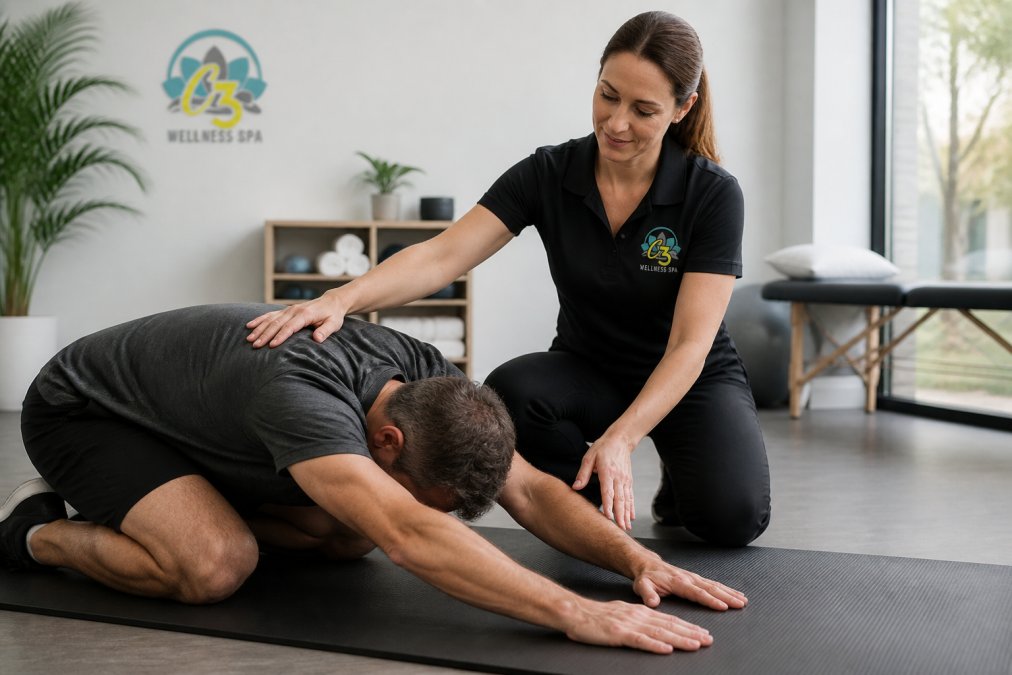
- Strengthening exercises that target your core, glutes, and back muscles
- Stretching routines to improve flexibility and reduce muscle tension
- Functional movement training to correct how you lift, bend, and sit
- Progressive loading that gradually increases difficulty as you improve
- Pain management techniques like heat, ice, and controlled movement
Ergonomic Adjustments and Posture Correction
Poor ergonomics force your spine into unnatural positions, creating tension and accelerating wear. Posture correction aligns your spine so gravity works with you, shoulders back, core engaged, head centered, allowing your spine to bear load efficiently.
Start by evaluating your workspace:
- Monitor height: Position your screen at eye level, about arm’s length away
- Chair support: Use a chair with lumbar support that maintains the natural curve of your lower back
- Desk height: Your elbows should bend at 90 degrees when typing
- Keyboard and mouse: Keep them close to avoid reaching and twisting
- Standing desk option: Alternate between sitting and standing every 30-45 minutes
Benefits of Massage Therapy for Back Pain Relief
Massage therapy reduces muscle tension, improves blood flow, and shifts your nervous system from stress to recovery mode. Tight muscles restrict movement and blood flow, creating a cycle that massage breaks by releasing knots and restoring tissue function.
Different massage techniques address back pain in specific ways:
- Deep tissue massage targets chronic muscle tension and knots in the back and shoulders
- Swedish massage improves overall circulation and relaxation
- Trigger point therapy focuses on specific tight spots that refer pain to other areas
- Myofascial release addresses the connective tissue surrounding muscles
Acupuncture for Chronic Pain Relief and Nerve Function
Acupuncture works through multiple mechanisms: stimulating peripheral nerves, reducing inflammatory markers, triggering endogenous opioid release, and modulating pain perception (Neural Benefits of Acupunture). For chronic back pain, it addresses both local muscle tension and neurological pain sensitization.
How Acupuncture Works: The Neurobiology
Acupuncture for chronic pain relief involves inserting thin needles at specific points to activate your body’s natural pain-relief systems through:
- Gate control theory: Stimulating sensory nerves activates inhibitory pathways in your spinal cord that “gate” pain signals, preventing them from reaching your brain.
- Endogenous opioid release: Acupuncture triggers endorphins, enkephalins, and dynorphins, your body’s natural pain-relieving chemicals.
- Inflammatory modulation: Reduces pro-inflammatory cytokines and increases anti-inflammatory markers.
- Neuroplasticity: Repeated sessions rewire pain-processing circuits, reducing pain sensitization.
- Autonomic nervous system regulation: Shifts from sympathetic (stress) to parasympathetic (recovery) dominance, lowering cortisol.
Acupuncture Points for Lower Back Pain
For chronic lower back pain, acupuncturists target points along the Bladder meridian and local points near the affected area, customizing selection based on your specific pain pattern and response to treatment.
Treatment Frequency, Duration, and Realistic Expectations
A typical acupuncture session lasts 30-45 minutes with sterile, single-use needles causing minimal discomfort, most people describe a dull ache or pressure rather than pain.
Treatment frequency:
Cost-Benefit Analysis: Time and Financial Investment
Acupuncture requires sustained commitment. Consider acupuncture if you have chronic pain and use in conjunction with physical therapy and/or massage therapy, prefer non-pharmaceutical approaches, and can commit to multiple sessions. Skip it if you need rapid relief or have needle phobia. (Source: guidelines from the National Institute of Neurological Disorders and Stroke)
Acupuncture as Part of Multidisciplinary Care
Acupuncture is a legitimate, evidence-supported treatment for chronic back pain when delivered by a qualified practitioner and integrated into a comprehensive pain management plan. The key is realistic expectations: it requires time, financial investment, and commitment, but for many people, the reduction in pain and medication dependence justifies the effort.
Pain Management Through Sleep, Nutrition, and Mental Health
Sleep quality, diet, stress, and mental health directly influence pain perception and healing capacity. These three lifestyle pillars are essential to effective treatment.
Sleep Hygiene and Spinal Alignment
Sleep hygiene for back pain sufferers means creating conditions for deep, restorative rest. Consistency matters more than duration, go to bed and wake at the same time daily to regulate your nervous system’s pain perception.
Your sleeping position and equipment directly affect spinal alignment:
- Side sleepers: Place a pillow between your knees to keep your pelvis level and prevent your spine from rotating. Your pillow height should support your neck so it remains neutral (not tilted up or down). A medium-firm pillow works best for most side sleepers.
- Back sleepers: Use a pillow under your knees to reduce lumbar curve stress and distribute load evenly. Your neck pillow should be thin enough to maintain neutral alignment, too thick creates forward head posture, which strains your upper back.
- Avoid stomach sleeping: This position rotates your spine and forces your neck to turn, increasing tension and pain.
Anti-Inflammatory Nutrition and Systemic Inflammation
Chronic back pain is often driven by systemic inflammation. Focus on anti-inflammatory foods:
- Omega-3 fatty acids: Fatty fish (salmon, mackerel, sardines), flaxseeds, and walnuts reduce inflammatory cytokines. Aim for 2-3 servings of fatty fish weekly.
- Antioxidant-rich produce: Berries, leafy greens (spinach, kale), and cruciferous vegetables (broccoli, Brussels sprouts) contain polyphenols that suppress inflammatory pathways.
- Whole grains: Oats, brown rice, and quinoa provide fiber and stabilize blood sugar, reducing inflammatory spikes.
- Turmeric and ginger: These contain curcumin and gingerol, compounds with documented anti-inflammatory effects. Add them to meals or steep in tea.
Limit or eliminate foods that amplify inflammation:
- Processed foods and refined carbohydrates (white bread, pastries, sugary drinks) trigger inflammatory responses.
- Excess omega-6 oils (vegetable oil, soybean oil) without balancing omega-3 intake promote inflammation.
- Alcohol impairs sleep quality and increases inflammatory markers; limit to moderate levels.
- Smoking accelerates disc degeneration and impairs healing, cessation is critical.
Mental Health, Pain Neurobiology, and Cognitive Behavioral Therapy
Your brain’s interpretation of pain signals, shaped by stress, anxiety, depression, and past experiences, directly determines pain intensity and disability. Repeated pain signals lower the threshold for triggering pain responses, while stress hormones and inflammatory cytokines amplify pain perception. Anxiety and depression further sensitize your nervous system, creating a cycle where pain causes emotional distress, which increases pain sensitivity.
When to Seek Professional Intervention and Multidisciplinary Care
Most chronic back pain responds to conservative treatment. Seek professional care if you experience sudden severe pain, radiating leg pain with numbness, loss of bladder/bowel control, unexplained weight loss, pain following injury, or persistent pain despite 6-8 weeks of conservative treatment. A multidisciplinary approach combines physical therapy, acupuncture, massage, and mental health support. C3 Wellness Spa’s physician-led team provides coordinated care.
|
Treatment Type |
Best For |
Typical Frequency |
Timeline |
|---|---|---|---|
|
Physical Therapy |
Building strength and correcting movement |
2-3x weekly initially |
4-12 weeks |
|
Massage Therapy |
Reducing muscle tension and improving circulation |
2-4x monthly |
Ongoing maintenance |
|
Acupuncture |
Nerve function and pain sensitization |
Weekly to bi-weekly |
4-8 sessions initial |
|
Ergonomic adjustment |
Preventing re-injury and maintaining gains |
One-time setup |
Continuous application |
|
Sleep and nutrition changes |
Supporting healing and reducing inflammation |
Daily |
Ongoing lifestyle |
|
CBT for pain |
Managing emotional components of chronic pain |
Weekly sessions |
8-12 weeks typical |
Frequently Asked Questions
How can physical therapy help in managing chronic back pain?
Physical therapy targets the root causes of chronic back pain through therapeutic exercise, stretching, and strengthening programs. A physical therapist designs exercises tailored to your condition, improving spinal alignment, functional mobility, and muscle support around the spine. Evidence shows that consistent physical therapy reduces pain intensity, restores range of motion, and helps prevent future episodes. Treatment typically involves progressive exercises that build strength without aggravating the injury.
What role does acupuncture play in chronic pain management?
Acupuncture is a noninvasive treatment that may help manage chronic back pain by stimulating nerve pathways and reducing pain signals. Research suggests acupuncture can complement other conservative treatments like physical therapy and massage. It works by promoting blood flow and releasing natural pain-relieving substances in the body. Many patients use acupuncture as part of a multidisciplinary approach to long-term pain management alongside exercise and other therapies.
How can I safely incorporate movement to manage chronic back pain?
Start with low-impact exercises like walking, swimming, or gentle stretching under professional guidance. Avoid sudden movements or heavy lifting until your pain decreases. A physical therapist can recommend specific exercises that strengthen core muscles without worsening pain. Consistency matters more than intensity—regular, gentle movement improves functional mobility and reduces pain sensitization over time. Always consult a healthcare provider before starting a new exercise program.
What’s the difference between seeing multiple specialists versus an integrated wellness approach?
An integrated approach combines physical therapy, manual therapy, acupuncture, and other treatments under one care plan, ensuring all providers communicate and coordinate your care. This multidisciplinary strategy addresses pain from multiple angles—physical, neurological, and lifestyle factors—rather than treating symptoms in isolation. Research supports integrated care for chronic pain management, as it reduces gaps in treatment, improves patient education, and often leads to better long-term outcomes than seeing separate specialists.